- jaimegardening
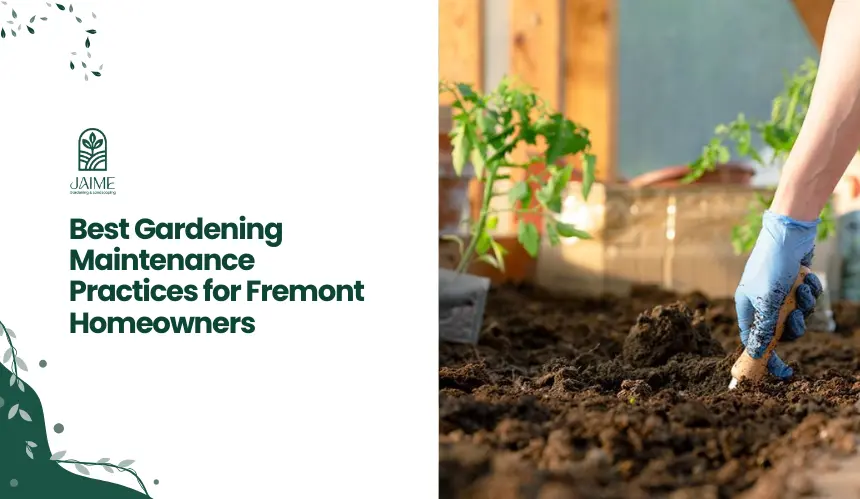
Best Gardening Maintenance Practices for Fremont Homeowners
A quick answer: Effective garden maintenance requires understanding soil conditions, proper watering practices, seasonal pruning, pest prevention, and choosing plants suited to regional sunlight and climate. Homeowners who follow these core practices maintain healthier landscapes, reduce long-term maintenance needs, and support more sustainable outdoor growth year-round.
Many residents in Fremont maintain active outdoor spaces, yet local climate patterns, soil differences, and inconsistent maintenance routines often create growing challenges.
Choosing reliable gardening maintenance services in Fremont can help keep outdoor areas balanced, but homeowners benefit significantly from learning foundational maintenance practices that support long-term garden health. The sections below outline the most critical steps for maintaining a thriving garden in this region.
Understanding How Fremont’s Climate Shapes Garden Care
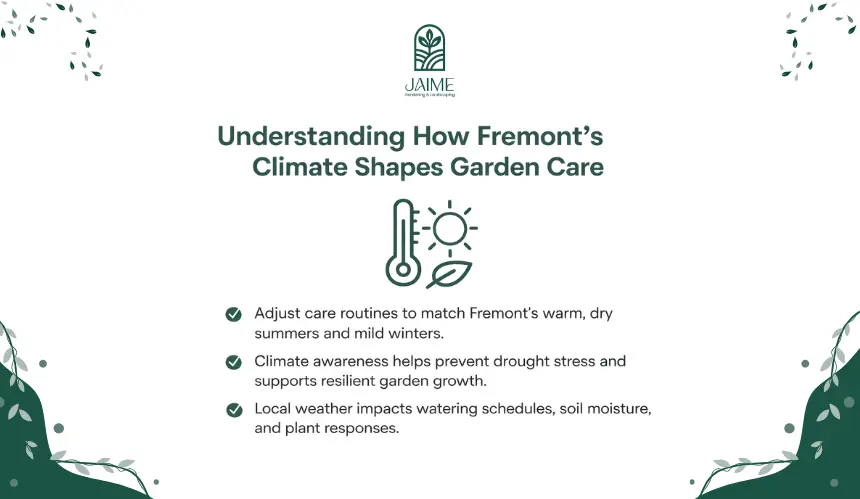
Gardening success in the area depends heavily on adapting maintenance routines to the local microclimate. Warm, dry summers combined with mild winters influence watering schedules, soil moisture levels, and plant stress patterns throughout the year. Recognizing how these conditions affect plant behavior helps homeowners maintain more resilient gardens.
Why Does Climate Awareness Improve Garden Health?
Fremont experiences extended dry periods and sudden temperature changes that affect both soil and plant hydration. Plants exposed to inconsistent watering or extreme sunlight often exhibit leaf discoloration, drought stress, or weakened growth. Adjusting care routines to match seasonal needs ensures steady root development and sustained plant vitality.
Tip: Shaded areas often retain moisture longer than sunny spots, so watering needs can differ within the same yard.
How Can Homeowners Reduce Climate-Related Stress on Plants?
Mulching garden beds, adjusting irrigation runoff, and choosing heat-tolerant plants help reduce the stress caused by high summer temperatures. During cooler months, maintaining soil warmth and preventing excessive moisture buildup allows plants to remain stable through seasonal transitions. Understanding these patterns ensures year-round consistency in garden performance.
Practicing Effective Watering and Irrigation Management
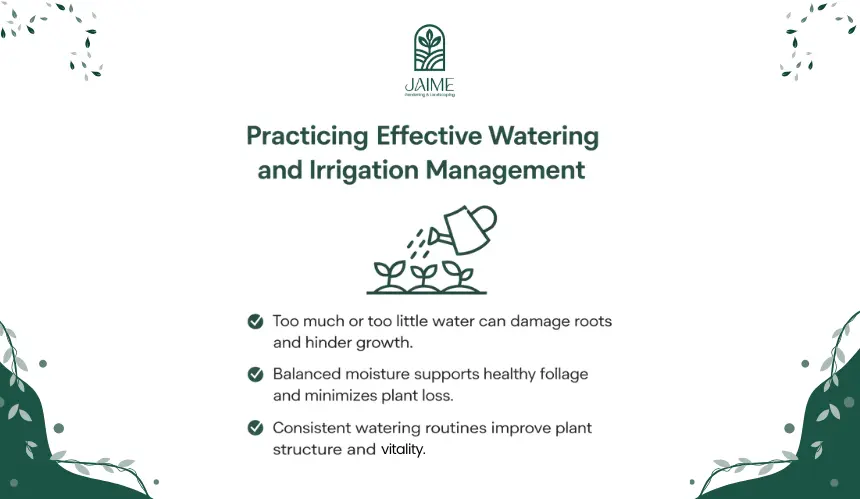
Watering remains one of the most critical components of consistent garden maintenance. Overwatering and underwatering both contribute to weakened root systems, poor growth patterns, and preventable plant loss. Establishing proper watering routines helps support strong plant structure and healthier foliage.
Why Is Proper Watering Technique Essential for Plant Health?
Plants rely on steady hydration levels rather than infrequent heavy watering. Overwatering saturates soil and restricts oxygen flow to the roots, while underwatering creates dry pockets that disrupt nutrient absorption. Balanced moisture allows roots to expand naturally and prevents stress related to sudden hydration changes.
Note: Watering early in the morning reduces evaporation and promotes efficient soil absorption.
How Does Irrigation System Monitoring Improve Maintenance Results?
Irrigation systems that run too frequently, too lightly, or at improper timing intervals can create inconsistent moisture zones. Regular inspections help identify clogged emitters, leaking pipes, or irregular spray patterns that affect garden health. Homeowners who monitor their systems regularly prevent waste and maintain even soil hydration.
Helpful checks:
• Ensure sprinklers reach intended areas
• Confirm no pooling around roots
• Verify timer settings match seasonal needs
Supporting Plant Health Through Soil Care and Seasonal Adjustments
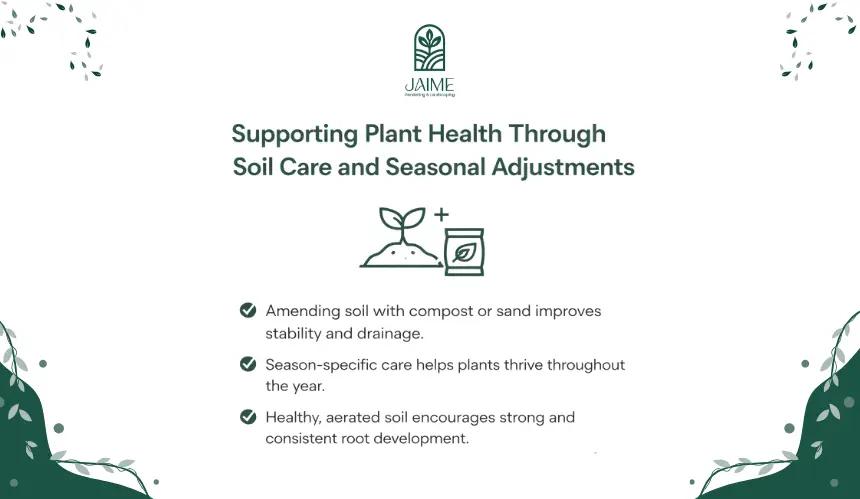
Healthy soil forms the foundation of long-lasting landscaping success. Fremont soils often contain compacted clay or nutrient-light sections that affect drainage and overall plant performance. Improving soil conditions through routine maintenance significantly enhances garden growth.
Why Does Soil Conditioning Matter?
Plants depend on nutrient-rich, well-aerated soil to develop stable root systems and maintain consistent growth. Compacted soil restricts root expansion and reduces water penetration, leading to shallow roots and poor plant resilience. Amending soil with compost, organic matter, or sand helps improve structure, drainage, and nutrient levels.
Tip: Aerating soil at least once per year improves airflow and supports deeper hydration.
How Do Seasonal Adjustments Improve Garden Stability?
Different seasons require varying care routines. Spring demands fertilization and pruning preparation; summer requires moisture control; fall focuses on plant strengthening; and winter centers on protective measures. Adapting care to seasonal changes ensures plants remain responsive and strong throughout the year.
Maintaining Healthy Growth Through Pruning and Routine Upkeep
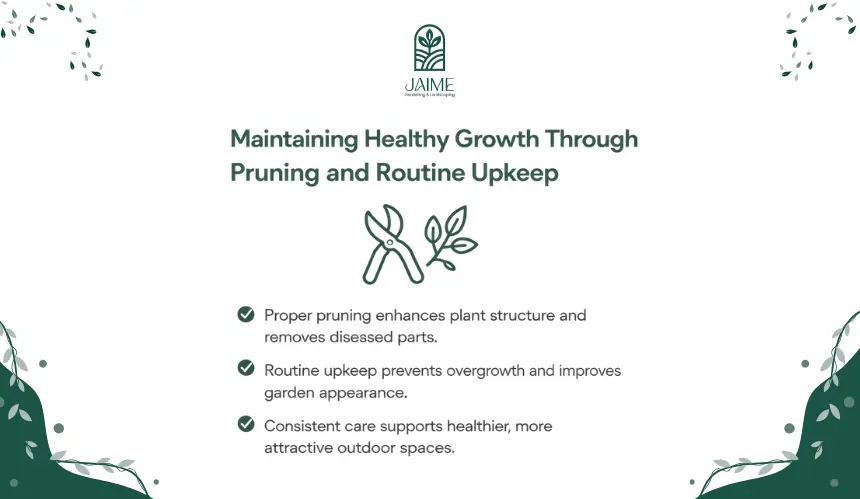
Regular pruning helps prevent plant overgrowth, improves airflow, and removes dead material that slows growth. Homeowners who learn correct pruning methods maintain cleaner, healthier, and more structured outdoor spaces while preventing long-term plant damage.
Why Is Proper Pruning Important for Garden Maintenance?
Incorrect pruning reduces flowering potential, weakens branches, and disrupts natural growth patterns. Pruning at the right time encourages new growth and prevents plants from becoming dense or misshapen. Removing dead or diseased sections also reduces pest attraction and supports the surrounding garden environment.
Common pruning mistakes to avoid:
• Cutting during active blooming
• Removing too much at once
• Using dull or unsanitized tools
• Ignoring signs of branch disease
How Does Regular Upkeep Improve Overall Garden Appearance?
Routine tasks such as weed removal, debris clearing, trimming edges, and updating mulch levels prevent small issues from becoming larger problems. A consistent maintenance schedule helps support healthier plant beds, cleaner pathways, and a more balanced lawn. Homeowners who maintain these routines reduce the need for corrective landscaping later.
Frequently Asked Questions
Does Fremont’s climate require more frequent garden maintenance?
Yes. Warm, dry conditions and changing microclimates often require routine maintenance to support steady growth and prevent seasonal plant stress.
How often should gardens be watered in Fremont?
Watering frequency depends on plant type and soil conditions, but most gardens require consistent hydration during warm months with reduced watering during cooler seasons.
Is soil amendment necessary for Fremont yards?
Often yes. Many local soils benefit from compost, organic matter, or aeration to support healthier plant development.
Do homeowners need professional help for pruning?
Not always, but professionals ensure correct timing and technique, especially for delicate or large plants.
How does mulching benefit Fremont gardens?
Mulching stabilizes soil moisture, regulates temperature, and reduces weed growth, making routine maintenance easier.
Can proper gardening maintenance reduce pest problems?
Yes. Clean plant beds, proper watering, and removing dead growth significantly reduce pest attraction.
Final Thoughts
Gardening maintenance plays a significant role in supporting long-term yard health, especially in regions with changing sunlight, variable soil structures, and seasonal dryness. Choosing gardening maintenance services in Fremont helps homeowners avoid common care mistakes while ensuring their plants, soil, and outdoor spaces remain strong and visually appealing throughout the year.
For homeowners seeking dependable support, Jaime Gardening and Landscaping provides routine maintenance, plant care, soil conditioning, and seasonal garden services across Fremont, helping residents maintain clean, balanced, and thriving outdoor environments.