- jaimegardening
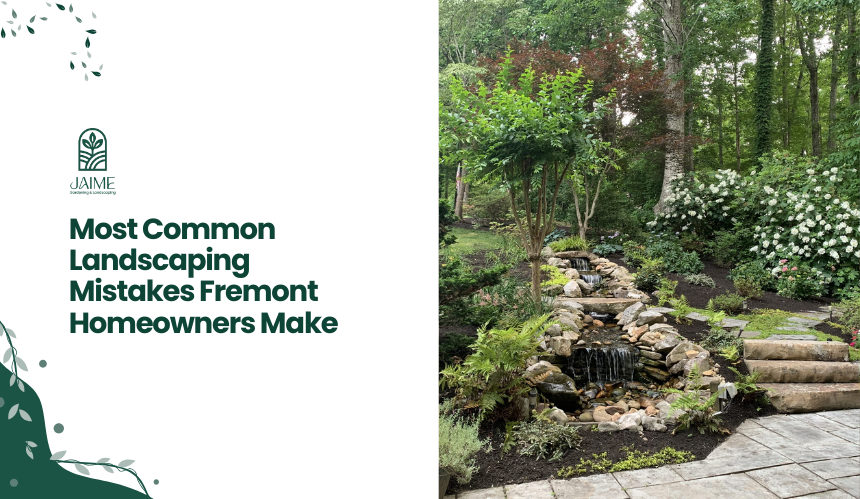
Most Common Landscaping Mistakes Fremont Homeowners Make
Many landscaping mistakes occur when homeowners choose the wrong plants for the climate, ignore soil conditions, overlook irrigation needs, or prune incorrectly. Understanding these issues early helps prevent plant loss, wasted money, and long-term yard problems that require expensive corrections.
Many Fremont residents maintain active outdoor spaces but often face challenges related to heat, soil density, water restrictions, and seasonal shifts. Choosing Fremont landscaping services gives homeowners reliable support from professionals who understand how local conditions affect long-term plant health and outdoor design. The sections below explore the most common landscape errors and how to avoid them.
Selecting the Wrong Plants for Fremont’s Climate
Plant selection plays a significant role in long-term landscape success. When plants are not suited for local sunlight patterns, soil composition, or weather conditions, they struggle to grow and may require frequent replacement. This often leads to higher maintenance demands and unnecessary expenses that could have been avoided with better planning.
Why Do Homeowners Choose Plants That Don’t Thrive Locally?
Many people select plants based on appearance rather than environmental compatibility. Fremont’s microclimate includes warm summers, dry periods, and varying shade conditions that certain plants cannot tolerate. As a result, plants may wilt, dry out, or become vulnerable to pests even with regular watering.
Tip: Native or drought-tolerant plants tend to require less water and adapt better to local conditions.
How Does Sun Exposure Impact Plant Health?
Plants that need full sun often fail when placed in shaded areas, while shade-loving varieties can burn under direct sunlight. Without understanding daily sunlight patterns, homeowners may unintentionally stress their plants. Proper placement ensures leaves remain healthy, growth stays balanced, and plants experience fewer shock-related issues.
Overwatering or Underwatering the Landscape
Watering mistakes remain one of the most common issues in home landscaping. Fremont has periodic water restrictions and warm-weather dry spells, which require careful irrigation habits that balance soil needs with plant health. Both excessive watering and insufficient hydration cause long-term plant stress.
Why Does Overwatering Harm Plants?
Overwatering saturates the soil, limits oxygen flow, and causes root rot. Plants may appear wilted, leading homeowners to mistakenly water even more. Saturated soil conditions also attract fungus and pests. Once root systems weaken, plants struggle to recover and may need to be replaced.
Note: Consistent soil moisture, not constant moisture, is the goal.
What Problems Come From Underwatering?
Underwatering causes dry soil, brittle leaves, and shallow roots. Landscapes that receive sporadic watering show uneven growth and reduced resistance to heat waves. Shallow-rooted plants become dependent on frequent hydration and fail to thrive during long, hot days.
Helpful watering check:
• Soil feels dry 2–3 inches below the surface → needs water
• Soil feels soggy or sticky → reduce watering
Ignoring Soil Quality and Yard Drainage
Soil conditions determine whether plants can absorb nutrients, retain moisture, and support root development. Fremont soils often include clay-heavy or compacted patches that create drainage challenges, making proper evaluation essential before planting.
How Does Poor Soil Affect Plant Growth?
Nutrient-poor or compacted soil restricts root expansion and limits air circulation. Without amendments such as compost, organic matter, or sand, plants may grow slowly or develop discoloration. Many homeowners overlook soil preparation entirely, which prevents plants from establishing strong root systems.
Tip: Soil aeration and compost mixing significantly improve drainage and nutrient distribution.
Why Is Yard Drainage Important?
Improper drainage causes standing water, root rot, and soil erosion. Areas with slopes or low points often accumulate runoff, which can damage lawns and weaken plants. Addressing drainage early helps avoid long-term landscape instability and reduces the risk of repeated plant failure during wet seasons.
Neglecting Routine Pruning and Maintenance
Plants and trees require regular pruning to maintain shape, improve airflow, and prevent disease. Many landscape problems begin when pruning is done at the wrong time of year or when trimming is too aggressive, causing shock or stunted growth.
What Happens When Plants Are Not Pruned Properly?
Overgrown plants block sunlight, restrict airflow, and accumulate dead branches that attract pests. Incorrect trimming, especially during active growth periods, weakens plants and reduces blooming potential. Skilled pruning supports healthier branches, better flower production, and a more balanced yard appearance.
Common pruning mistakes:
• Cutting during peak growth
• Removing too much at once
• Ignoring crossing or dead branches
• Failing to disinfect tools
How Does Overgrowth Impact Yard Health?
Excessive shade from overgrowth prevents grass and nearby plants from getting enough sunlight. This leads to patchy lawns, weakened plants, and increased moss or weed growth. Routine maintenance ensures the yard remains visually appealing and structurally balanced through seasonal changes.
Overlooking Mulch, Fertilizer, and Seasonal Adjustments
Gardening and landscaping require continual adjustments as seasons shift. Without understanding when to fertilize, when to mulch, and how to adjust plant care routines, many landscapes become inconsistent in growth and appearance.
Why Is Mulching Essential for Fremont Landscapes?
Mulching helps retain soil moisture, reduce weed growth, and regulate root temperature during hot summers. Without mulch, soil dries faster and becomes harder to maintain. Proper mulching also enriches the soil as organic material breaks down.
Note: Too much mulch can suffocate roots, so depth control is essential.
What Happens When Fertilizer Is Misused?
Applying too much fertilizer can burn plants and disrupt nutrient balance, while applying too little can fail to support healthy growth. Seasonal fertilizers offer distinct benefits, and using the wrong type can lead to inconsistent results. A proper fertilizing schedule ensures strong roots and vibrant foliage.
Frequently Asked Questions
Do Fremont landscapes need special care because of the climate?
Yes. Local heat, dryness, and microclimates require thoughtful plant selection and structured watering routines.
How often should landscaping maintenance be done?
Most yards benefit from weekly or biweekly service, depending on plant density and seasonal needs.
Can professional services help prevent pests?
Yes. Regular trimming, soil monitoring, and debris removal reduce the habitats pests rely on.
Do homeowners need irrigation checks?
Routine irrigation reviews help prevent overwatering, leaks, and dry zones throughout the yard.
Are native plants a better option for Fremont landscapes?
Often, yes. Native and drought-tolerant plants adapt easily to local climate conditions.
Can poor soil be fixed?
Yes. Soil can be improved over time through amendments, aeration, and compost.
Final Thoughts
Landscaping mistakes often stem from incorrect plant selection, watering issues, poor soil conditions, and neglected maintenance. Choosing Fremont landscaping services helps homeowners avoid these issues and create landscapes that thrive through seasonal changes, water restrictions, and varying soil patterns.
For homeowners seeking dependable, detail-oriented landscape care, Jaime Gardening and Landscaping provides consistent maintenance, trimming, soil improvement, and plant-health services throughout Fremont, ensuring yards remain vibrant, functional, and visually appealing year-round.